
Cryogenic Water Vapor Capture System
This equipment is widely used in industries including optoelectronics, optical lenses, spectacle lenses, mobile phones, computers, automobiles, electronics, new materials, photovoltaics, lithium batteries, new energy, anti-counterfeiting, packaging, cutting tools and molds.
Working Principle
An ultra-low temperature cooling coil (below -120℃) is installed inside the vacuum chamber or at the inlet of the oil diffusion pump. Based on the low-temperature condensation effect of gas, water vapor and other gases in the vacuum system can be rapidly condensed on the cryogenic coil. This quickly reduces the air pressure inside the vacuum chamber, greatly shortening the vacuum pumping time. Meanwhile, the vacuum degree can be increased by half to one order of magnitude, which significantly improves production efficiency, saves production costs and enhances product quality. Therefore, it is regarded as an excellent assistant in the vacuum industry and an energy-saving pioneer for vacuum coating systems.
Practical Application
In a vacuum system, water vapor is the biggest obstacle affecting the pumping speed of vacuum pumping equipment. The water vapor chiller can quickly and efficiently capture 65% to 95% of water vapor in the residual air of the system and reduce the time consumed by water vapor pumping, with an efficiency of up to 80%. Installing a KD cryogenic chiller in the existing vacuum pumping system can increase production capacity by more than 30% to 90%. It can also improve the stability of the coating machine and the adhesion of the coating layer, so as to upgrade the coating quality.
Water vapor is the primary pollutant in vacuum systems. For applications requiring higher coating quality, a lower vapor partial pressure can enhance the adhesion of coating films and improve coating performance. It avoids defects such as color difference and poor bonding force during the coating of various materials, and ensures uniform and smooth surfaces at corner positions during substrate coating processes.
In practical applications, the equipment is divided into two types according to different installation positions:
Its refrigeration coil is usually installed between the high valve (or gate valve) and the vacuum chamber, inside the vacuum chamber, or in the upper and lower chambers of the winding coating equipment. It is suitable for scenarios with large outgassing volume of coating materials, such as optical coating, winding coating, metal coating and plastic low-temperature coating. The coil is equipped with a heating defrosting device, which restores the coil to room temperature before each chamber opening. This prevents the refrigeration coil from absorbing excessive water vapor from the atmosphere and frosting, which would otherwise affect the next vacuum pumping process.
Installed at the inlet of the oil diffusion pump below the high valve, it mainly prevents oil backflow of the oil diffusion pump, and meanwhile accelerates pumping speed and improves vacuum degree. Since the system maintains a vacuum state, no defrosting device is required.
The two installation methods can be adopted separately or simultaneously according to actual requirements.
Technical Parameters:
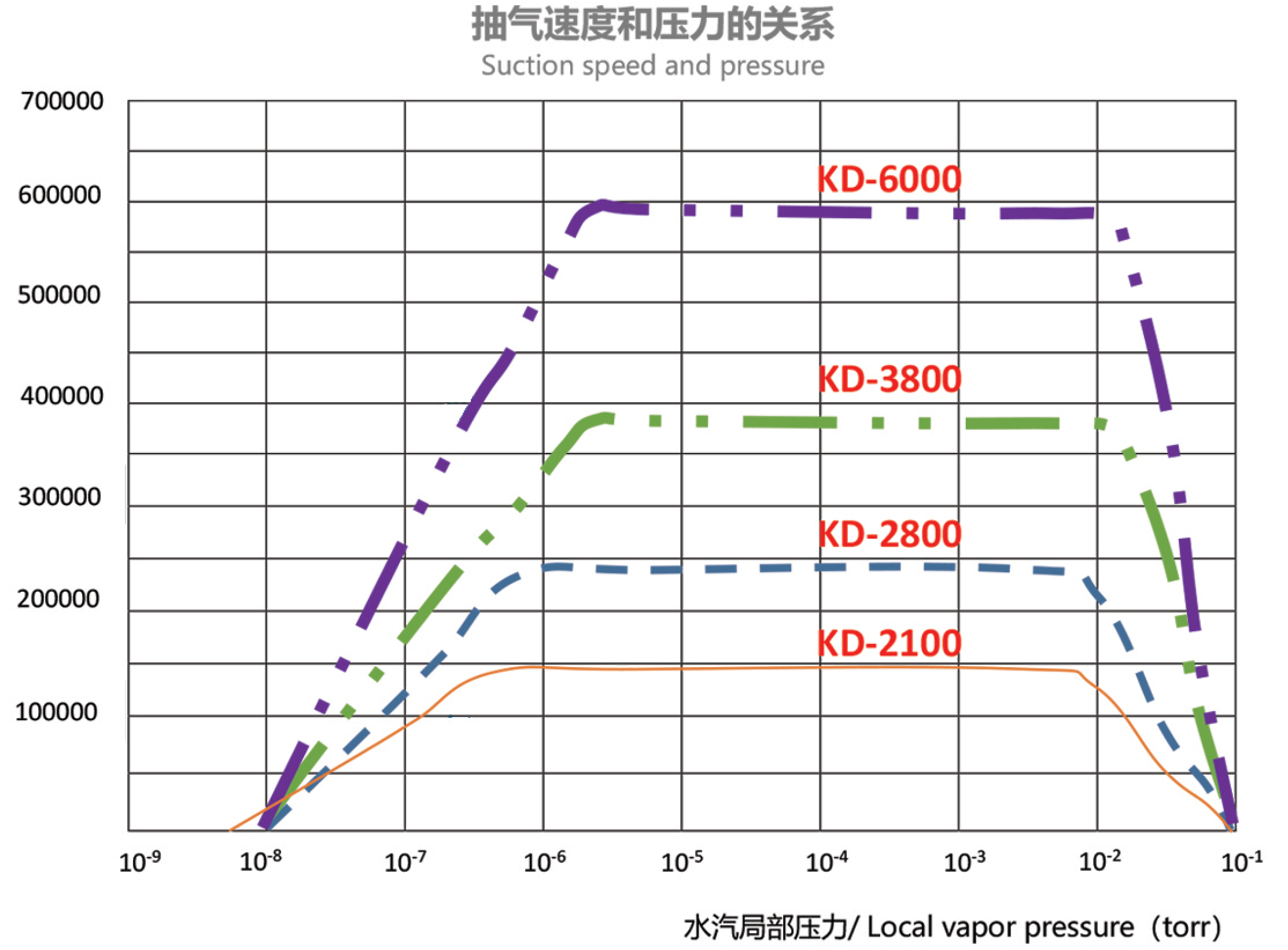
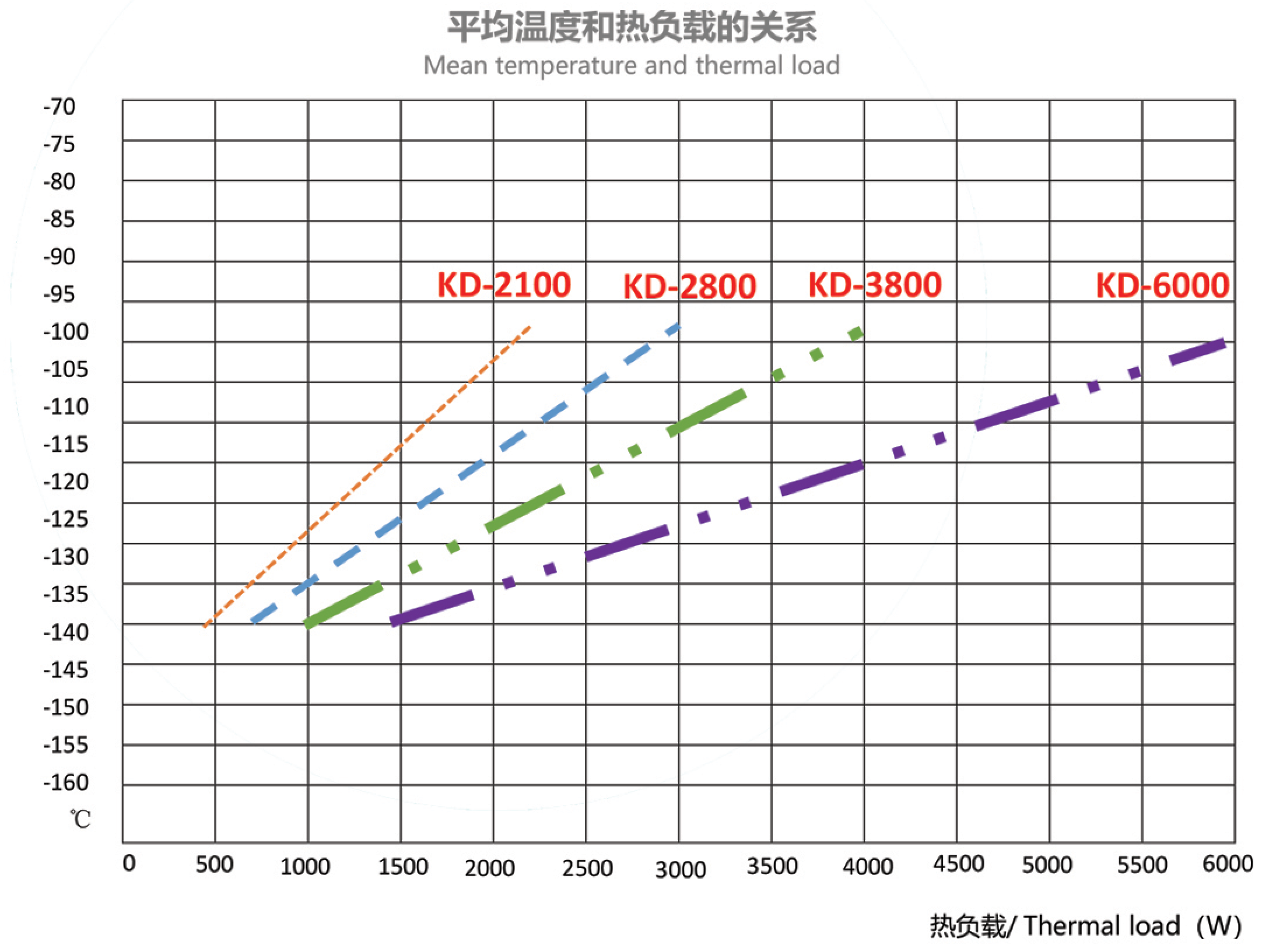
Input and Output Interface
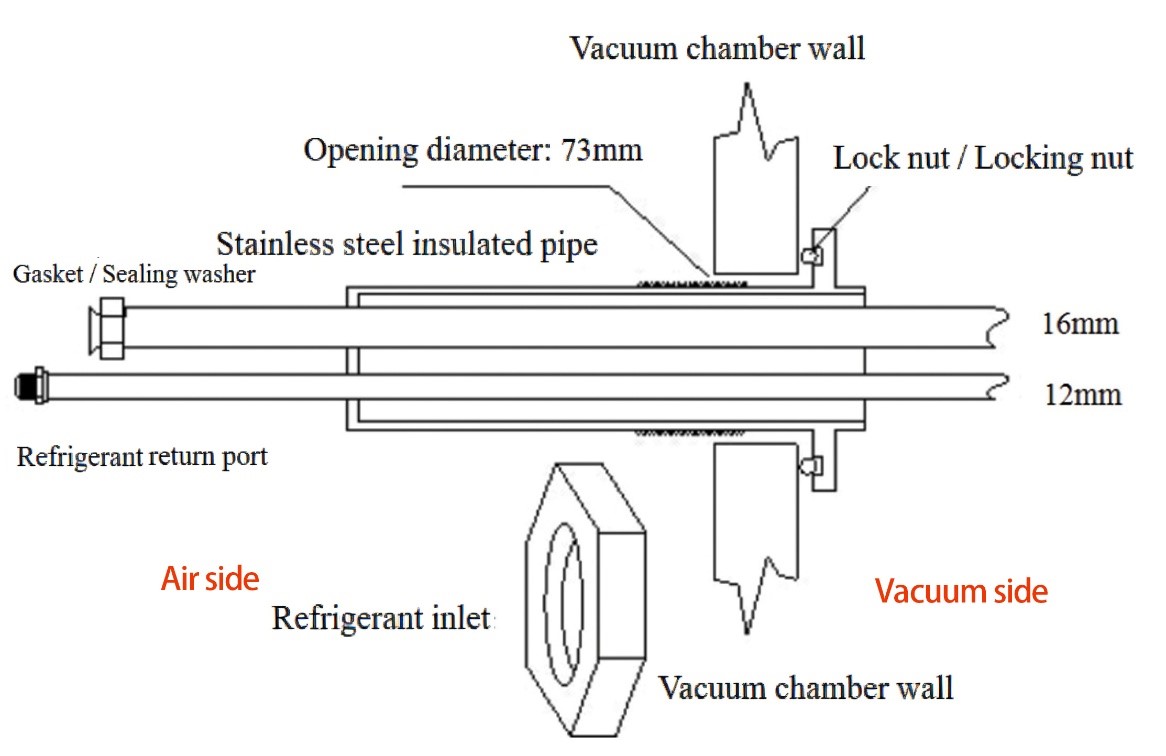
When the condensation coil passes through the chamber wall from inside the vacuum chamber, there is a large temperature difference between the pipeline and the chamber wall. Direct welding will cause substantial cold loss and severe frosting on the chamber wall.
This problem can be solved by adopting a thermal insulation device made of thin-walled stainless steel pipe with a length of about 20 cm. The device can be designed as a removable connector (see figure), or it can be directly welded to the vacuum chamber wall without using sealing gaskets.
Features of KD Series Water Vapor Chillers
Reduces vacuum pump pumping time by 30%–80%.
Increases production capacity by 30%–90%.
Enables rapid cooling and temperature recovery, supporting long-term cyclic operation.
Can be designed with dual load circuits, installed simultaneously in the vacuum chamber and at the oil diffusion pump port.
Eliminates the need for expensive liquid nitrogen, allowing for quick cost recovery.
Equipped with a true-color touch screen and Siemens PLC, featuring a comprehensive automatic control system.
Multi-channel temperature display; defrost temperature can be set freely.
Displays cooling water temperature, exhaust temperature, standby temperature and cooling temperature.
Provides alarms for high/low water temperature and water shortage.
Offers protection against over-high exhaust temperature and over-high pressure of the compressor.
Allows flexible and easy installation on existing vacuum systems, unaffected by connectors, inlet pipes, valves and baffles.
Simple operation interface and complete protection measures; supports local operation and remote control, fully compatible with existing equipment control systems.